
College
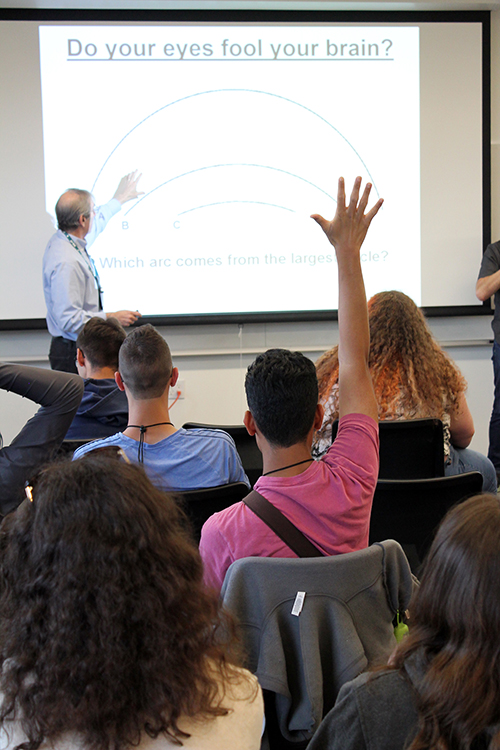
- Preparing for college, including testing, securing financial aid, and choosing your postsecondary school.
- Succeeding in college, which requires numerous self-management skills.
Preparing for College
The transition from high school to college is a big step for everyone. Students with disabilities have even more things to think about than their nondisabled peers. Preparing for your postsecondary education should begin while you are in high school.
- College Planning for Students with Disabilities A handbook for students with disabilities.
- College Reality Check Facts and figures that students should weigh in making decisions about college.
- College: You Can DO-IT! Students with disabilities and staff share advice for success in college.
- CollegeMapper Create a personalized college plan via a step-by-step process designed to help students navigate the college application process.
- CollegeNET Search community colleges, universities, vocational schools, and technical training schools by location, population, fees, and degrees offered.
- Increasing Access and Success in the STEM Disciplines A Model for Supporting the Transition of High School Students with Disabilities into STEM-Related Postsecondary Education
- Making the Move to Managing Your Own Personal Assistance Services A Toolkit for Youth with Disabilities Transitioning to Adulthood.
- MatchCollege.com Research postsecondary schools in the US, find student and faculty data, degrees, and other demographic information.
- MyCollegeOptions A free college planning service designed to assist high school students in exploring a wide range of postsecondary opportunities, with special emphasis on the college search process.
- Peterson's All the info and tools you need to find, get in, and pay for school.
- Preparing for College: An Online Tutorial Read about accommodation strategies, consider different types of degrees and schools, and consider funding options.
- Students with Disabilities Preparing for Postsecondary Education Get information from the U.S. Department of Education and the Office for Civil Rights for students on your rights and responsibilities.
- Transition of Students With Disabilities To Postsecondary Education: A Guide for High School Educators A guide for helping students make a successful transition from high school to college or university.
Succeeding in College
A college learning environment is quite different from that of high school. College is less structured and will require you to use more self-monitoring skills than you needed in high school. There will be no teachers or parents making decisions for you. Be prepared to face an increased level of academic competition and to have less contact with your professors. You will be the person responsible for your actions, your learning, your successes and your failures as a college student.
- 7 Tips for Success When Taking Online Courses This resource features seven tips to help you stay successful once you are in an online course.
- Being a Successful Online Student: Six Must-Have Skills An infographic that showcases skills for online students, the steps to develop those skills, and useful tools.
- College Survival Skills Learn tips to increase your success in school.
- How to Create the Perfect Study Environment for Online Learning Learn methods for creating a study environment for online learning that minimizes distractions and puts you in the mindset to concentrate.
- Moving On: The Two-Four Step Students with disabilities and practitioners share tips for making successful transitions from two- or four-year postsecondary institutions.
- National Organizations Working on Disability and Higher Education Learn about a variety of national organizations working with people with disabilities and higher education.
- Online Colleges Resources for Students with Disabilities A resource that provides tools for a variety of disability types, as well as legal knowledge, scholarship information, and other important college needs.
- PhDisabled Being a graduate student is challenging for all students, but students with disabilities may face unique challenges. The PhDisabled website provides a space for PhD students with disabilities to share their experiences.
- Resources and Support for College Students with Disabilities A guide for college students with disabilities that answers frequently asked questions and offers resources.
- Succeeding in Graduate School Get real world advice from graduate students who have been there. Learn how to be successful, develop supportive relationships, obtain accommodations, and more.
- Taking Charge 1: Three Stories of Success and Self-Determination Successful youth and adults with disabilities share how they live successful, self-determined lives.
- Taking Charge 2: Two Stories of Success and Self-Determination Two high school students with disabilities share how they succeed in school and otherwise live self-determined lives.
- Taking Charge 3: Five Stories of Success and Self-Determination Five teens with disabilities share how they live self-determined, fulfilling lives.
- We Connect Now A resource for connecting college students with disabilities in access to higher education and employment issues.
- What I Wish Someone Told Me BEFORE Taking Online Classes An explanation of how online courses differ from on-campus courses and strategies to succeed.
- Why Developing a Growth Mindset is Vital to Your Academic Success Learn how you can develop a growth mindset that will be instrumental to your mental health and academic success.
Financial Aid and Scholarships
The following resources can help find funding for education. Students with disabilities will also want to explore DO-IT's Scholarship page.
- College Funding for Students with Disabilities
Learn about federal and state aid, scholarships, and award opportunities. - Hosted by the College Board, this site has information on planning, applying for scholarships, and spotting scholarship scams.
- A guide that provides clear info and advice on the many options students have to reduce the cost of their degree, as well as offer a fresh analysis of which colleges are doing the most to make high-quality education affordable.
- Includes a financial aid blog and "Ultimate Guide to College Grants and Scholarships for Minorities."
- Scholarship matches, articles, tips, and videos.
- An office of the U.S. Department of Education.
- Tips on filling out the FAFSA and maximizing eligibility.
- Grant and scholarship resources compiled by Michigan State University.
- Browse by college or career interest.
- How to assess the cost of earning an MBA and a variety of resources to plan and pay for these costs.
- Financial aid, college scholarships, and international scholarship resources.
- Includes college preparation materials and financial aid resources.
- Federal student loans.
- Create a profile to see an instant list of matching scholarships.
- Recent scholarship recipients help students work through their scholarship applications.
- A scholarship directory put together by Fastweb.
- Matching Washington state students with scholarships.
- Includes eligibility requirements and application packages.
- Resources for Washington students wanting to obtain assistive technology, including exchange programs and low-interest financing.
Preparing for a Career
Today's competitive job market demands that students possess knowledge, skills, and relevant job experiences that will set them apart from other applicants. Career preparation activities can increase their chances of obtaining employment after high school or college. Students can start exploring their career interests and developing their job skills at any age. Career exploration should be an ongoing process throughout high school, postsecondary studies, and beyond.
Do not feel like you need to choose or settle—give yourself the chance to discover new interests and possibilities in a variety of fields. Job needs and opportunities are changing all the time, and you should allow yourself to grow and change as well.
For general job resources, explore a few of the following websites:
- The Career Planning Process: Taking It Step by Step
- Explore Careers
- Career Briefs
- Interest Assessment
- National Institute of Health Office of Science Education Career Finder (LifeWorks)
- O*NET OnLine Skills Search
- Occupational Outlook Handbook
- Occupation Profile
- WorkStep
Job Accommodations
Consider disability-related accommodations you may need in order to successfully complete the assignments of a job. They may involve a change in the work environment, a modification to the way a specific job function is performed, or the use of assistive technology. Consult the following websites for information about job accommodations for people with disabilities.
Government Resources
Find out what local, state, and regional resources are available to you. The following websites are examples of government resources for employees with disabilities.
- Americans with Disabilities Act: A Guide for People with Disabilities Seeking Employment
- Social Security Disability Programs
- Vocational Rehabilitation Agencies
Participate in work-based learning activities.
Work-based learning opportunities can help you clarify academic and career interests, practice work-related skills, develop communication and collaboration skills through interaction with coworkers, and network with potential employers. They can also provide opportunities to determine if you can perform the essential functions of specific jobs, practice disclosing your disability and requesting accommodations from an employer, use assistive technology in a work setting, and test which accommodations work best for you. Work-based learning opportunities include informational interviews, job shadows, service learning, and internships. Consult the career services office or counseling center at your school for information about work‑based learning opportunities. The following are resources that describe types of work-based learning options and examples of work-based learning programs that might be available to you.
- AccessCAREERS Projects: Learn and Earn: Tips for Teens and Learn and Earn: Supporting Teens
- Bridges from School to Work
- High School/High Tech
- Youth Leadership Forum
Resumes and Interviews
When you're ready to start applying to jobs, you'll need to build a resume
building a résumé, make a list of all relevant work experiences (paid and volunteer), academic experiences, and other relevant skills and activities. Consult the following resources for information about résumé content and style.
Often, the best way for an employer to get to know you is through an interview process.
- Disability Disclosure and Interviewing Techniques for Persons with Disabilities
- Interview Tips and Advice
Resources
The following general resources are good places for students with disabilities and their families and advocates to start to explore career options.
- ADA Document Portal
- American Association of People with Disabilities
- Americans with Disabilities Act (ADA) and Disability Information
- CareerOneStop
- Career Planning
- Job Accommodation Network (JAN)
- Mapping Your Future
- Monster
- National Center on Secondary Education and Transition
- National Youth Employment Coalition
- O*NET Resource Center
- Office of Personnel Management (OPM): Federal Employment of People with Disabilities
- WorkStep
- World Institute on Disability (WID)
- Yan-Tang Institute on Employment and Disability
- ZipRecruiter
Success Stories
One of DO-IT's strongest resources is the wealth of successes and shared experiences from our hundreds of amazing program participants.
- Perspectives of STEM Students with Disabilities: Our Journeys, Communities, & Big Ideas
A book featuring the biographies of students with disabilities pursuing STEM education and careers. - Profiles of Students and Professionals with Disabilities in Engineering Fields
See how individuals with disabilities are succeeding in engineering majors and careers. - Student Stories: Neurodiverse Learners and STEM Education
Read stories from students who identify as neurodivergent and are pursuing STEM education and careers. - DO-IT Success Stories
A historical collection of DO-IT participant stories as they share their experiences and careers. - Taking Charge: Stories of Success and Self-Determination
Take advice for success from DO-IT participants.
There are also repositories of success stories shared by others:
- Disability Social History Project
Famous (and not-so-famous) People with Disabilities. - Famous People with Disabilities
Celebrating famous people with disabilities and their achievements.